The mechanics
How a yacht books a table
It is not an app. It is a chief stewardess with a telephone, a relationship, and the boat's name, in roughly that order of importance.
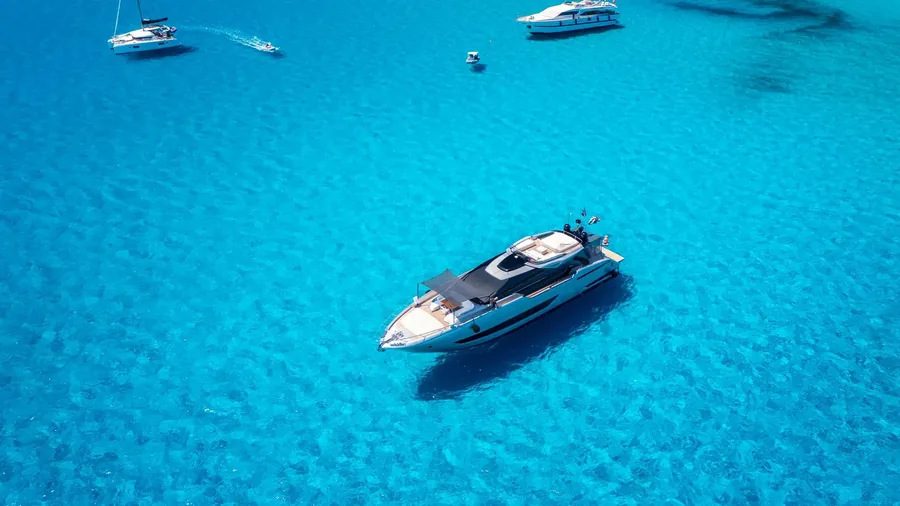
Guests assume the table appears. What actually happens is that the chief stewardess spends the first morning of the charter on the telephone, working three days ahead, against a list of clubs that are full, a weather forecast that may move the boat, and a set of guests who have not yet decided anything.
The call
The boat's name first, because clubs keep lists of yachts and their history. Then the date, the number of people, the arrival time by tender and the size of the tender, which decides whether it can come alongside the dock. Then whether the bill goes to the boat or to the guests, which is a question of who is paying and whether an account exists.
A boat that is known gets a table. A boat that is not, in August, gets a time rather than a table: half past one or half past three, take it or leave it.
Who actually does the booking
- On a private yacht: the chief stewardess or the captain, working from a list the boat has built over years.
- On a charter: the same, often with the charter broker making introductions at clubs where the boat is new.
- For a difficult table in August: a concierge service or the hotel connected to the club, which is why hotels matter to boats.
- Never the guest directly, unless the guest is known personally, in which case that call is worth more than everything above.
Lead times, honestly
The account
Most serious clubs will open an account against the boat, which means the tender can land guests without anybody carrying a card, the bill arrives at the purser and the tipping is handled properly. Setting that up takes one polite email in May and saves the whole season.
Use it now
Beach Club Matcher
Twenty four clubs, filtered by coast, month, mood and the size of your tender.