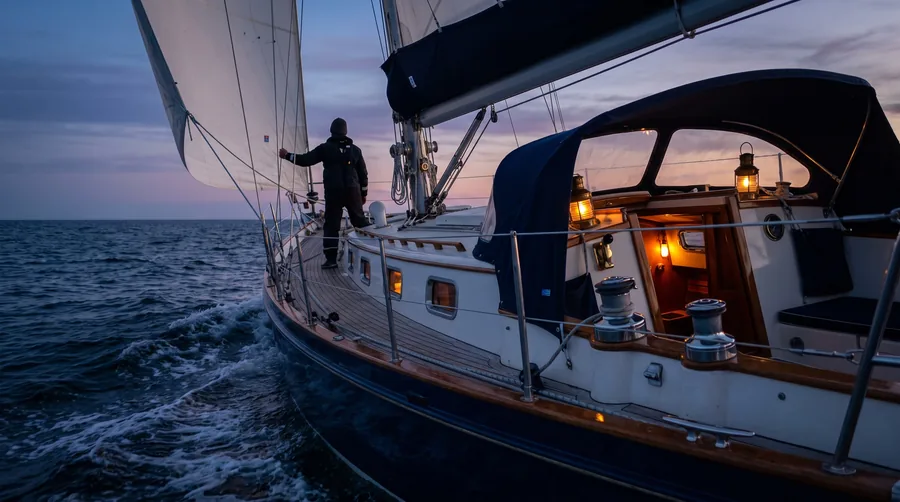
 Sailing Yachts
The case for canvas, made honestly
A sailing superyacht is cheaper to run, quieter, and harder in every other respect. Here is the argument with the inconvenient parts left in.
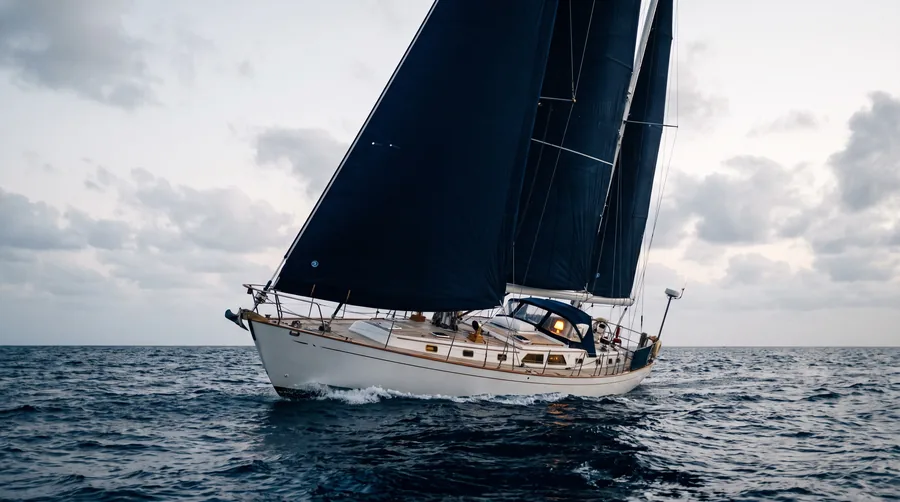
Under sail
A sailing superyacht is the harder boat to own and the easier one to love. Sailing Yachts looks at rigs, hull forms, the regattas owners actually race, and why the quietest hour on the water is still a beam reach at dusk.
Sailing Yachts
A sailing superyacht is cheaper to run, quieter, and harder in every other respect. Here is the argument with the inconvenient parts left in.
 Sailing Yachts
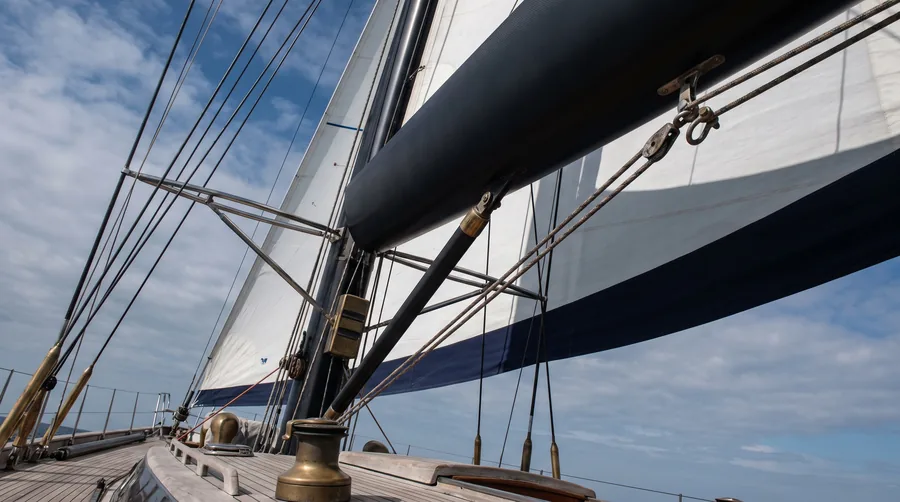
Standing rigging has a life. Sails have a wardrobe. Carbon has an inspection schedule. None of it appears in the first year of ownership.
 Sailing Yachts
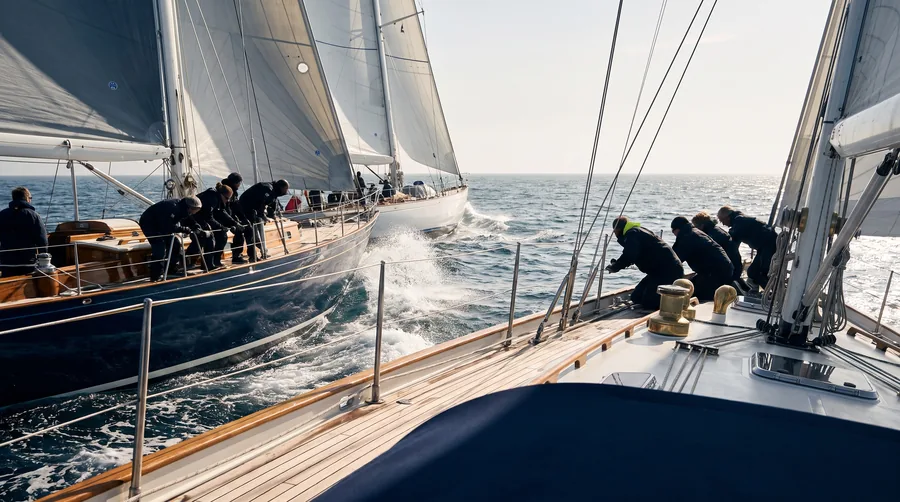
The superyacht regatta circuit is the only place in yachting where the owners compete in public. It is also the best week of the season, and the most work.
The short version
Sailing yachts cost less to run per metre than motor yachts, carry fewer crew, burn a tenth of the fuel on passage and cross oceans on their own bottom without a refuelling plan. They also heel, are slower to lunch, have a shorter guest list for the same length and need a captain who can actually sail, which is rarer than it should be.
The modern fleet splits three ways. Performance cruisers of 30 to 45 metres from the Baltic, Nautor and Southern Wind yards sail fast, race credibly and still carry a proper interior. Classic and neo-classic yachts, the J-Class among them, exist for beauty and for regattas. Then the big ketches and schooners over 50 metres, which sail like motor yachts with an opinion.
What a buyer underestimates is the rig as a running cost. Standing rigging has a life, carbon spars are inspected, sails on a 40 metre boat are a six-figure wardrobe replaced every four to six seasons, and none of this shows in the first year.
Worth knowing
The deck vote
Use it now
Sail or Motor
The same length, three hull types, one honest comparison.
Questions people ask
Yes, at about 60 to 70 per cent of the weekly rate of a motor yacht of the same length, to a smaller and more loyal market. Families with older children and Northern European owners charter sail; large groups who want a jacuzzi and a slide do not.
A sloop is faster and simpler with a smaller crew per sail. A ketch splits the sail area into pieces a crew can handle in a squall, keeps the mast heights under bridge and airport limits, and gives a mizzen boom to hang a dinner under. Above 50 metres most owners choose the ketch.
For a 40 metre performance cruiser, roughly the price of a good tender: a main, a jib, a staysail, a reacher and a downwind sail in modern laminate, with a life of four to six seasons under a careful crew.
They are a maintained system rather than a risk. Ultrasound inspection every two to three years, careful attention to lightning protection and chafe, and a mast that will outlast the owner. The risk is a rig that is never looked at.
The Log
One entry a week: the new long read, one boat worth studying, one number worth knowing. No advertising, no tracking, one click to leave.