Retention
Why crew leave
The owner, the captain, or somebody at home. In that order, and the first one is the only one an owner can do anything about.
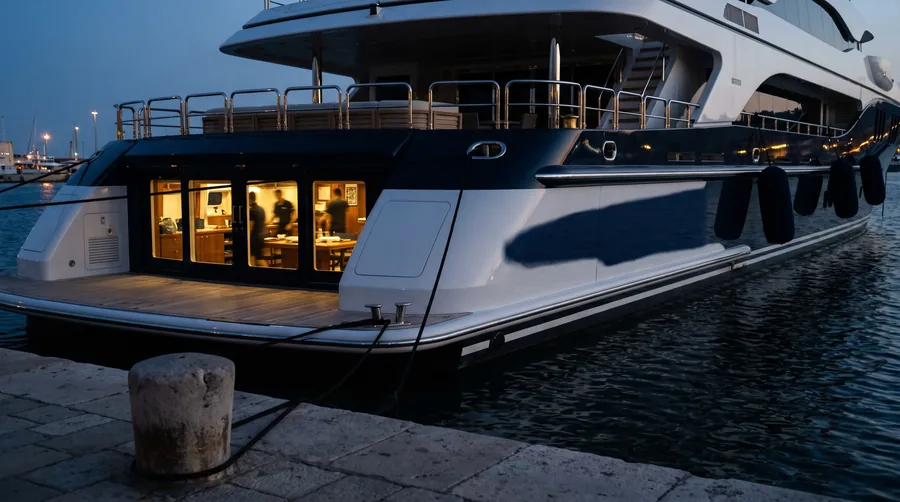
A yacht with a settled crew is a different object from a yacht without one. The food is better, the boat is cleaner, things get fixed before they break, guests are anticipated rather than served, and the owner stops noticing the crew at all, which is the point. A yacht that turns its crew over every season never reaches that state, and no amount of money spent on the boat compensates.
The three reasons
The owner
Shouting, unpredictable schedules, last minute changes with no notice, guests who treat crew badly and are not corrected, and the small humiliations that crew discuss in the mess. Crew tolerate long hours and hard work. They do not tolerate contempt, and the good ones have somewhere else to go by Wednesday.
The captain
Favouritism, no structure, no training, no defence of the crew when the owner is unreasonable, and the failure to give people a path. A department head who does not develop their people loses them to a boat where somebody will.
Life ashore
The partner, the child, the parent who is ill, the wish to stop living in a cabin at thirty two. This one is not a failure of the boat, and rotation is the only answer anybody has found.
What retention is worth in money
A boat that keeps its crew avoids recruitment fees, avoids the six weeks of reduced service while a new stewardess learns where everything lives, avoids the technical mistakes a new engineer makes on an unfamiliar system, and avoids the compounding effect where one departure triggers two more. Fleet managers put the cost of turning over a full crew on a fifty metre boat at somewhere between one and two hundred thousand euros, most of it invisible.
The things that keep them, which are cheap
Use it now
Crew Planner
Who is on board, what they earn, and what rotation does to the payroll.
None of this is sentimentality. A crew that has been together for four seasons is the most valuable asset on the boat, and the only one that is not insured.