The other ninety per cent
The boat in October
A superyacht spends most of her life tied up, empty and being worked on. What happens in those months decides what the summer feels like.
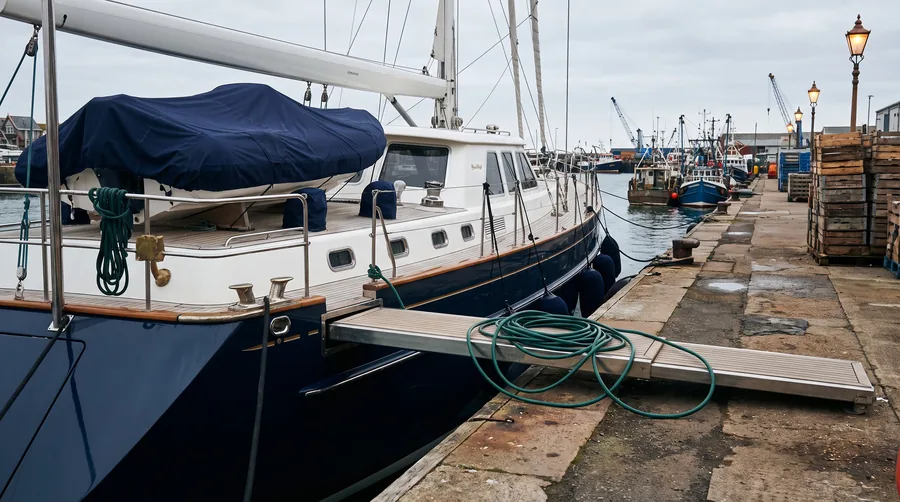
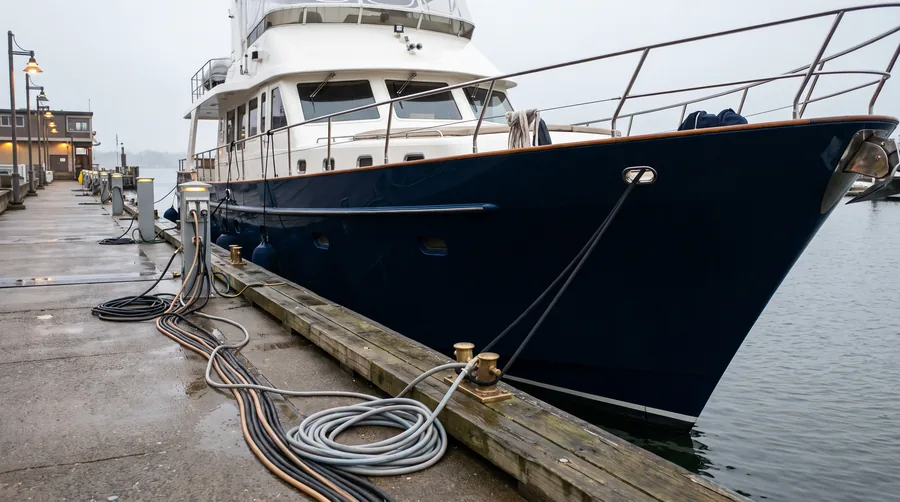
Photograph a superyacht and you photograph August: the tender wake, the jacuzzi, the guests in white against a blue that only exists between eleven and four. Go to the same boat in the third week of October and you find her alongside in a working harbour with a hose across the passerelle, two of the crew gone, the saloon carpet lifted and the chief engineer arguing with a supplier about the delivery date of a seal.
That is the boat. The summer is what she does for six weeks.
The winter list
Every well run yacht has a document that the captain and the chief engineer build through the season and hand to the owner or the manager in September. It is the winter list: everything that broke, everything that will break, everything the guests noticed and everything they did not. Priced, ranked and dated.
A good winter list is an act of honesty. It contains the items that embarrass the crew, the failures they worked around at three in the morning so the guests never knew, and the expensive things that can be deferred one more season but not two. An owner who reads it carefully is an owner who is never surprised in July.
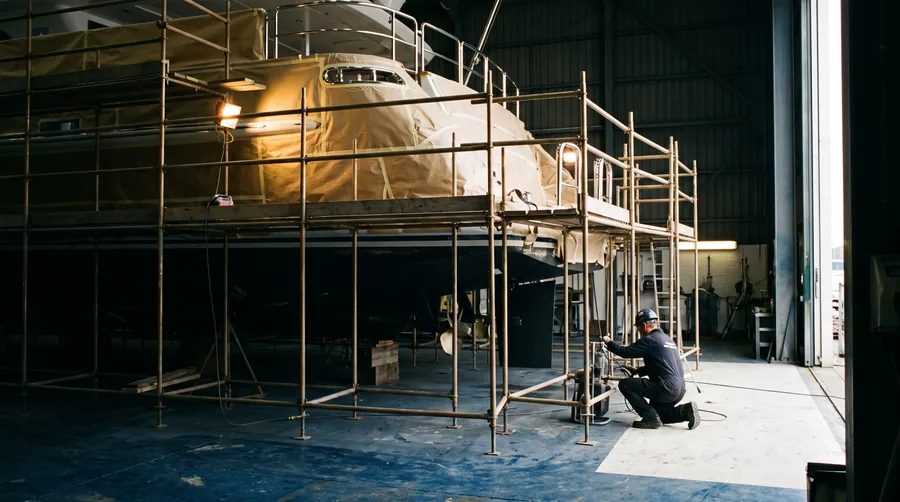
- Deck: teak thickness surveyed, caulking, stainless, tender and davit service, fenders and lines replaced.
- Engineering: engine and generator service hours, stabiliser seals, water makers, air conditioning, batteries.
- Interior: soft furnishings cleaned or replaced, varnish, the mattress nobody admits is nine years old.
- Electronics: chart plotter and radar updates, entertainment systems, the wifi everybody complains about.
- Safety: liferafts and EPIRB servicing, fire systems, medical stores in date.
Where she lies matters more in winter
A boat can survive a summer anywhere. A winter berth has to be sheltered from the direction the weather actually comes from, deep enough at low water, secure, and close to the trades who will be on board every day. This is why the winter fleet collects in a handful of places, none of them glamorous: La Ciotat, Palma, Barcelona, Genoa, Viareggio, Antibes for the smaller boats, Fort Lauderdale for the American fleet.
The famous quays are close to empty in January, which owners occasionally notice and misinterpret as an opportunity. A beautiful harbour with no chandler, no rigger and no yard within an hour is a beautiful place to have a problem.
The crew question
Winter is when crews are made and lost. A boat that keeps a full crew through the off season pays for people who are, for three months, cleaning and painting rather than serving. A boat that reduces to a skeleton saves money and starts the spring with a captain, an engineer and nine strangers.
The middle path, and the one most good boats take, is to keep the heads of department on full contract, let the junior crew take leave or seasonal work, and bring the team back together six weeks before the first guests. The six weeks are not padding. That is how long it takes a new stewardess to learn where everything lives.
The season is won in February. By June you are only finding out whether you did the work.
A chief engineer, on a boat that had not missed a charter in five yearsWhat the owner should do in the quiet months
Visit. Not to inspect, which insults the crew, but to see the boat with the carpets up and the panels off, because that is the only time anybody can show you what is actually behind the joinery. Owners who come in the winter learn more about their yacht in two hours than in a whole season of lunches.
Then make the decisions that need lead time: the yard period, the itinerary, whether she goes west for the Caribbean in November, whether the paint goes this year or next. A decision taken in October is a plan. The same decision taken in March is a premium.
Use it now
Berth Calculator
What a berth costs by the night and by the season, in twenty four harbours.