The charter fleet
Two hulls, one family
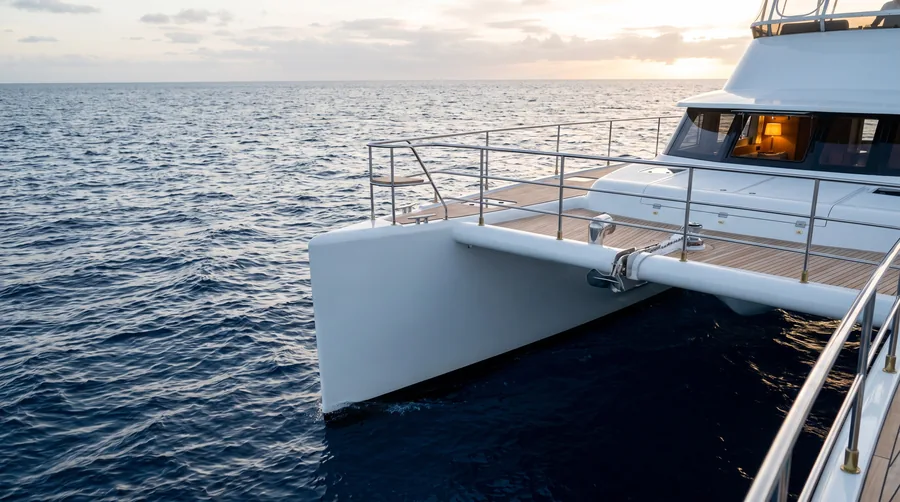
The catamaran became the default family charter boat in a decade, and the reasons have almost nothing to do with sailing.
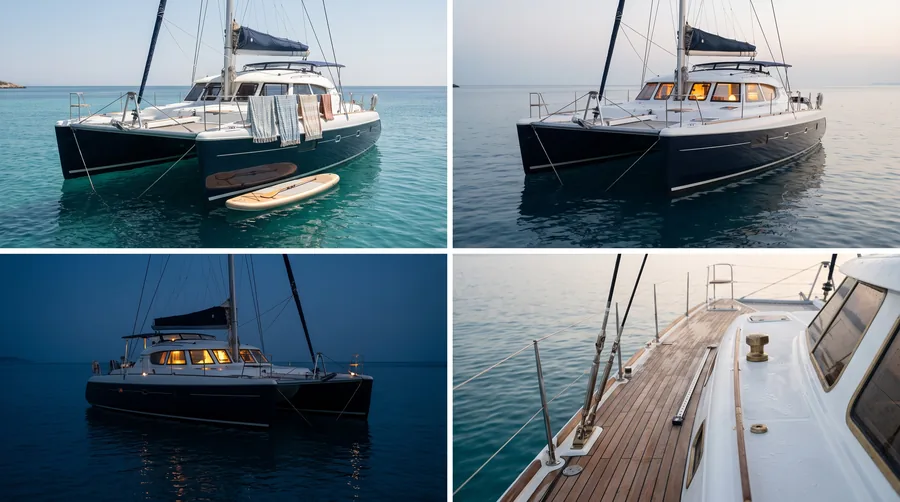
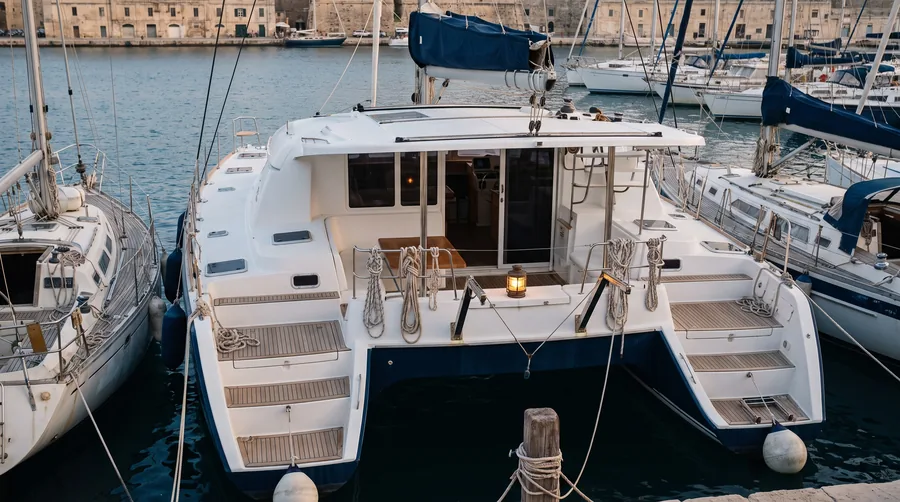
Walk a charter base in Tortola, Athens or Göcek and count the hulls. Twenty years ago the fleet was monohulls with a handful of catamarans for the adventurous. Today it is the other way round, and the change was driven not by sailors but by the people sailors bring with them.
The four reasons, in the order families give them
The boat stays flat. Nobody feels sick, the table works, the children can move around, and the person who was talked into the holiday does not spend it gripping something. For a family who sail once a year this outweighs every performance argument that has ever been made.
Everybody gets a cabin with a window. Four double cabins in the hulls, each with its own bathroom, each with light and a view. The equivalent monohull has two good cabins and two that are compromises, and somebody has to accept the compromise in front of everybody else on day one.
The cockpit and the saloon are one room. Meals happen at the same level whether the weather is good or not, and children can be seen from anywhere. This sounds trivial and it is the thing parents mention first in the second week.
And the swimming is better, because the boat lies in shallow clear water close in, with two sugar scoops at the stern that work as steps for people who are not twenty.
What the family gives up
Sailing, in the sense that a sailor means it. A charter catamaran with a full load and a roller main will go to windward slowly, will slam if the sea is up, and will motor when the wind is under ten knots because the alternative is arriving after dark. Most charter weeks involve more engine than anybody admits, on any boat.
And harbours. Where the monohull can drop into any old port, the catamaran is looking for a marina with wide berths or for an anchorage with room to swing. In practice this pushes catamaran weeks towards anchoring, which most families prefer anyway once they have tried it.
Crewed or bareboat
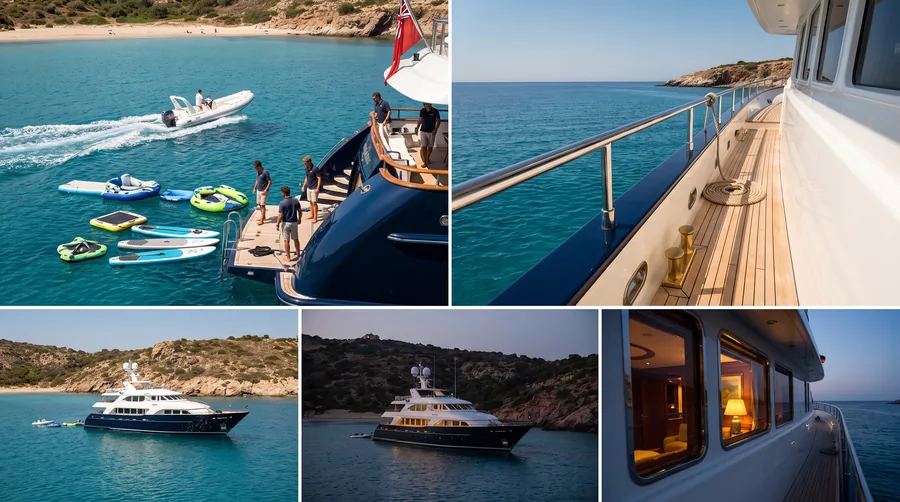
A bareboat catamaran of fourteen to sixteen metres, chartered by somebody with a licence and experience, is the cheapest good week on the water and the one that requires the most from the person holding the wheel. A crewed catamaran of eighteen to twenty five metres with a skipper and a cook costs two to four times as much and removes every decision except where to swim.
The honest test is whether the holiday is meant to be a rest for everybody or a project for one person. Both are legitimate. Confusing them is how people come home from a week on a boat needing a week.
Use it now
Charter Week Calculator
Base rate, allowance, tax and the tip, for the week you are actually planning.