Structure
Flag, VAT and the paperwork that decides where you can go
Three decisions made with a lawyer before the purchase, each of which can move the value of the boat by more than the brokerage.
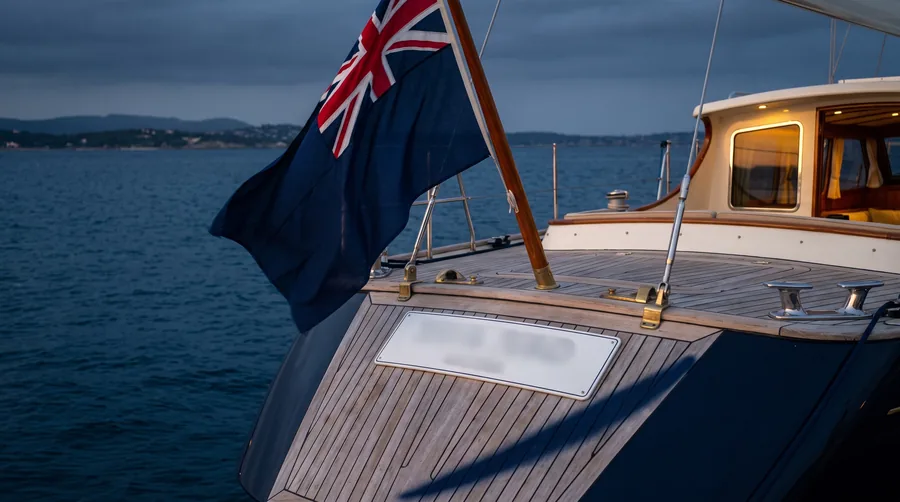
A yacht is a piece of movable property that crosses borders, carries employees, sometimes trades, and is owned through a company in a third country. Every one of those facts attracts a rule, and the rules interact. This is the part of buying a boat where good advice is cheapest and bad advice is most expensive, and none of what follows is that advice: it is the map you take to the lawyer.
The flag
The flag is the boat's nationality and the law she carries with her. The choice is made on the survey regime, the crew rules, the ease of registration and mortgage, the reputation with port states, and whether she will charter.
VAT, and the sentence that matters
In the European Union, a yacht in free circulation has had import VAT paid and can stay indefinitely. A yacht that has not can normally be used under temporary admission for up to eighteen months at a time, provided the owner is not resident in the EU and the boat is not used commercially there. The difference on a twenty million euro boat is roughly four million, so the first question to any seller is whether VAT has been paid, in which state, and whether the documents exist.
Documents matter more than the assertion. VAT paid is proved by an import declaration, a builder's invoice with VAT shown, or evidence of pre-accession status, not by a broker saying the boat is EU paid. Boats lose their status through changes of ownership and exports, and a status that was clean in 2014 is not automatically clean now.
Private or commercial
A privately registered yacht is for the owner and guests. A commercially registered yacht may charter, which brings the Large Yacht Code, a safety management system, the crew the code requires, more survey and more paperwork. In exchange she can recover input VAT in some structures, may buy fuel at commercial rates in some places, and can offset part of her running costs.
Many owners register commercially and charter almost never, purely for the tax and fuel position. Whether that is sound depends entirely on the jurisdiction and on how genuinely the boat is offered for charter, and tax authorities in several EU states have taken an interest in exactly that question.
The ownership vehicle
Most large yachts are owned by a single purpose company, which limits liability, simplifies sale, and separates the asset from the owner's other affairs. Where that company sits depends on the flag, the finance, the owner's residence and their estate planning, and the answer that was right for a friend is frequently wrong for you.
Use it now
Purchase Planner
What buying her costs beyond the price, and the paperwork that decides where she can go.